 SAVE FROM 20 to 35%

FREE DELIVERY
for orders over 31 £
 MONEY BACK GUARANTEE
Currency:









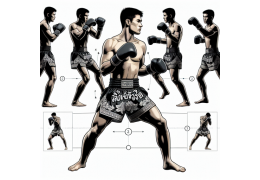
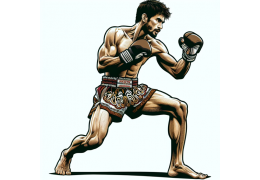
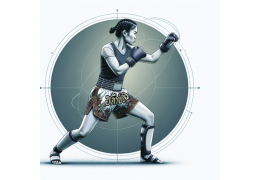
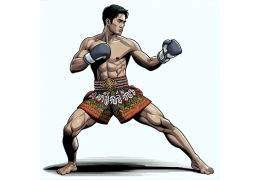


The Role of Mental Toughness in Muay Thai Training and Competition (part 1)
Looks like we're stepping into the world of Muay Thai, where the only thing tougher than the fighters' abs is their mental fortitude. While the physical aspects of training are crucial, it's the emotional element that often separates the champions from the rest. In this comprehensive guide, we'll explore the vital role of mental toughness in Muay Thai and how it can elevate your performance both in training and competition.
We've got the million-dollar questions: "Why do some fighters seem unshakeable under pressure?" and "How do certain athletes bounce back from setbacks?" Spoiler alert: It's not because they're secretly robots or have a secret stash of magic beans. It's all in the noggin, folks!
The secret lies in their mental game. Because apparently, just learning how to kick butt isn't enough anymore. So, strap on your mental headgear, and get ready to train your brain as hard as you train your body
Understanding Mental Toughness in Muay Thai
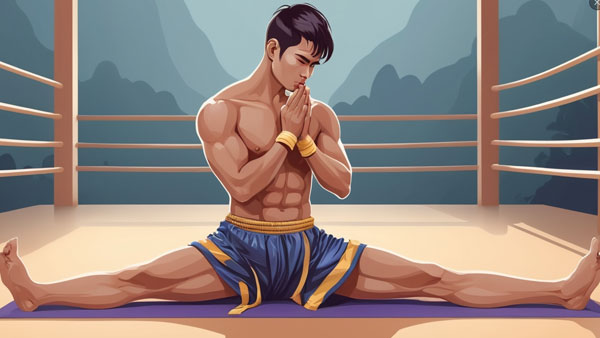
Mental toughness isn't just a buzzword in the world of combat sports - it's the backbone of success in Muay Thai. But what exactly does it mean to be mentally tough in the context of this demanding martial art?
Muay Thai's mental toughness: where your mind says "ouch" but your face says "is that all you've got?"
At its core, mental toughness in Muay Thai encompasses several key attributes:
1. Resilience: The ability to bounce back from defeats, setbacks, and injuries.
1. Focus: Maintaining concentration during intense training sessions and high-pressure fights.
2. Emotional control: Managing fear, anxiety, and aggression effectively.
3. Confidence: Believing in your skills and training, even when faced with formidable opponents.
4. Adaptability: Quickly adjusting your strategy in response to unexpected challenges.
These qualities don't just magically appear overnight. They're cultivated through consistent practice and deliberate mental training. Think of your mind as a muscle - the more you exercise it, the stronger it becomes.
But here's the kicker: mental toughness isn't about being invincible or never feeling fear. It's about acknowledging your emotions and using them to fuel your performance. It's about facing your doubts head-on and pushing through them.
Even the most seasoned Muay Thai fighters experience pre-fight jitters. The difference is in how they channel that nervous energy. Instead of letting it paralyze them, they use it to sharpen their focus and heighten their awareness.
Remember that developing mental toughness is just as important as perfecting your roundhouse kick or clinch technique. It's the secret weapon that can give you the edge in both training and competition.
The Science Behind Mental Toughness

Let's explore the science behind mental toughness in Muay Thai. Understanding the underlying mechanisms can help you appreciate why mental training is so crucial for your success in the ring.
Looks like mental toughness is the Swiss Army knife of the mind – it's got all the invisible gadgets you need to conquer life's challenges!
Read this twice :
1. Self-efficacy: This refers to your belief in your ability to succeed in specific situations. In Muay Thai, high self-efficacy translates to confidence in your skills and training.
2. Locus of control: This concept relates to how much control you believe you have over the outcomes in your life. Mentally tough fighters tend to have an internal locus of control, meaning they believe their actions and efforts determine their success.
3. Cognitive reappraisal: This is the ability to change how you think about a situation to alter its emotional impact. For example, reframing pre-fight nervousness as excitement can improve performance.
4. Flow state: This is a state of complete immersion in an activity, often described as being "in the zone." Mentally tough athletes are more likely to achieve this optimal performance state.
Check this out! Scientists have found that being mentally tough isn't just about looking cool in the ring. It actually helps fighters deal with stress way better. So, those Muay Thai badasses with iron minds? They're not just tough on the outside. They're like stress-busting ninjas, handling all the crazy stuff that comes with training and fighting like it's no big deal. Pretty sweet, right?
Mental toughness can be developed and strengthened over time. Just like you can build muscle through physical training, you can build mental toughness through consistent mental exercises and positive experiences. Just remember, unlike physical muscles, you can't show off your mental gains by walking around shirtless (please don't try).
So, next time you're pushing through a grueling training session or facing a tough opponent, remember that you're not just building physical strength - you're also rewiring your brain for greater mental resilience. It's a two-for-one deal that'll serve you well both in and out of the ring!
Developing Mental Toughness: Key Strategies
Now that we understand the importance of mental toughness in Muay Thai, let's explore some practical strategies to develop this crucial skill. Just like physical training, mental training requires consistency and patience. So, time to tie those strings and begin.
Visualization Techniques
Visualization, or mental imagery, is a powerful tool used by top athletes across various sports, including Muay Thai. Here's how you can incorporate it into your training:
1. Create a mental highlight reel: Visualize yourself executing perfect techniques, winning fights, and overcoming challenges. Make it as vivid and detailed as possible.
2. Rehearse specific scenarios: Imagine different fight situations and mentally practice your responses. This helps you feel more prepared and confident when similar situations arise in real life.
3. Use all your senses: Don't just see the images in your mind. Try to incorporate sounds (the crowd cheering, your coach's instructions), feelings (the impact of your strikes, the adrenaline rush), and even smells (the gym, the leather of your gloves).
4. Practice regularly: Set aside time each day for visualization exercises. Even 5-10 minutes can make a significant difference over time.
Mindfulness and Meditation
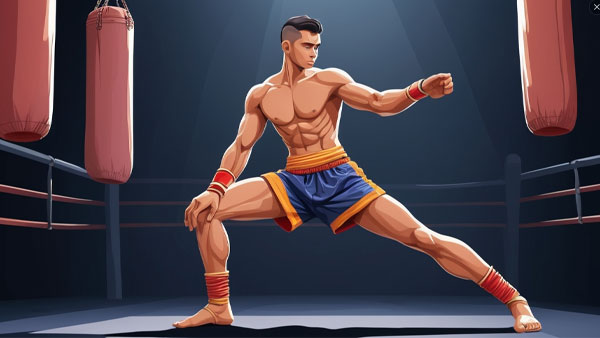
Mindfulness is all about being present in the moment, which is crucial in a fast-paced sport like Muay Thai. Here are some ways to incorporate mindfulness into your routine:
1. Mindful breathing: Practice focusing on your breath for a few minutes each day. This simple exercise can improve your concentration and help you stay calm under pressure.
2. Body scan meditation: Regularly check in with your body, noticing any tension or discomfort. This can help you become more aware of your physical state during training and fights.
3. Mindful training: During your workouts, try to stay fully present. Notice the feeling of your fists hitting the bag, the rhythm of your footwork, the sweat on your skin.
4. Gratitude practice: Regularly reflect on what you're grateful for in your Muay Thai journey. This can help maintain a positive mindset even during challenging times.
Goal Setting and Progress Tracking
Listen up! If you want to become mentally tough, you gotta set some goals! And not just any goals, but clear and achievable ones!
1. Set SMART goals: Make sure your goals are Specific, Measurable, Achievable, Relevant, and Time-bound.
2. Break big goals into smaller milestones: This makes the journey less overwhelming and allows you to celebrate small victories along the way.
3. Track your progress: Keep a training journal where you record your workouts, achievements, and areas for improvement.
4. Celebrate successes: Acknowledge your progress, no matter how small. This builds confidence and motivation.
5. Learn from setbacks: Instead of getting discouraged by failures, view them as learning opportunities. Ask yourself, "What can I learn from this?"
Remember, developing mental toughness is a journey, not a destination. Be patient with yourself. With consistent practice, you'll gradually build the mental resilience needed to excel in Muay Thai. Are you ready ? Let's do this!
The Role of Coaches in Fostering Mental Toughness

Imagine Muay Thai coaches as topliner who give their students invisible powers! These cool trainers don't just teach fancy kicks, they also help their students grow super-strong brains.
Creating a Supportive Environment
Now go forth and create an environment so positive, even grumpy cats would crack a smile! Here's how coaches can create this:
1. Encourage a growth mindset: Emphasize that skills and abilities can be developed through effort and learning. Challenges are chances to develop, not threats.
2. Provide constructive feedback: Balance criticism with praise. Point out areas for improvement, but also acknowledge progress and effort.
3. Foster team spirit: Even though Muay Thai is an individual sport, a supportive team environment can boost morale and motivation.
4. Lead by example: Demonstrate mental toughness in your own behavior and responses to challenges.
Implementing Mental Training
You can incorporate mental training into your regular sessions:
1. Integrate visualization exercises: Guide students through visualization exercises before sparring or competitions.
2. Teach stress management techniques: Introduce breathing exercises and relaxation techniques that students can use to manage pre-fight nerves.
3. Use positive affirmations: Encourage students to develop and use personal mantras or positive self-talk.
4. Practice mindfulness: Incorporate short mindfulness exercises at the beginning or end of training sessions.
Tailoring Approaches to Individual Needs
Every student is unique, so coaches should adapt their approach accordingly. This includes understanding individual motivations, recognizing different learning styles, addressing fears and insecurities, and setting personalized goals.
Fostering Resilience Through Challenges
Coaches can build mental toughness by creating challenging situations. Simulating competition pressure, encouraging controlled failure, teaching reflection, and celebrating effort over outcome.
Not only creates better fighters, but they also have the magical ability to shape resilient and confident individuals. It's like they have a secret potion or something!
Related posts
-
Understanding the Eight Limbs: A Guide to Muay Thai Techniques (part 1)
Imagine transforming your body into a living, breathing weapon, where every limb becomes a potential strike point....Read more
-
Understanding the Eight Limbs: A Guide to Muay Thai Techniques (part 2)
Let's start with something familiar – good old-fashioned punching. But don't be fooled, Muay Thai punches are a whole...Read more
-
Understanding the Eight Limbs: A Guide to Muay Thai Techniques (part 3)
The clinch in Muay Thai is like a chess match played at extremely close quarters, with the added excitement of...Read more
-
Understanding the Eight Limbs: A Guide to Muay Thai Techniques (part 4)
It's time to talk about the not-so-glamorous but absolutely crucial part of the journey – training and conditioning....Read more
-
The Role of Mental Toughness in Muay Thai Training and Competition (part 2)
Picture this: You're a Muay Thai fighter, and your pre-fight jitters are doing the cha-cha in your stomach. It's time...Read more
-
Confronting Challenges: Your Path to Amazing Growth
Building on mental strength leads to something powerful. You develop the ability to face challenges head-on. This...Read more
-
Discipline: Rituals, Habits, and Consistency
Training builds more than fighting skills. It shapes your character. The small efforts you repeat become steady...Read more
-
Recovering from Setbacks and Growing Stronger
Discipline teaches you to show up. But what happens when things go wrong? Setbacks aren't dead ends. They're chances...Read more
Leave a comment