 SAVE FROM 20 to 35%

FREE DELIVERY
for orders over 31 £
 MONEY BACK GUARANTEE
Currency:









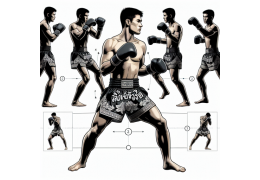
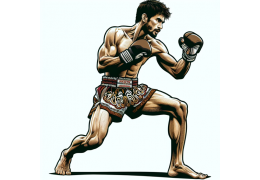
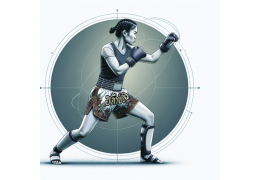
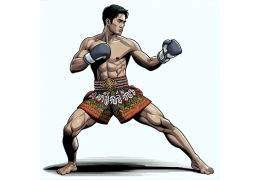
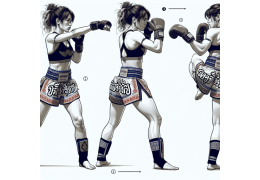

Understanding the Eight Limbs: A Guide to Muay Thai Techniques (part 3)
The Clinch: Grappling and Close-Quarter Combat in Muay Thai
Ok. We're diving into one of the most crucial – and often overlooked – aspects of Muay Thai: the clinch. "Clinch? Isn't that just hugging with attitude?" Oh, my sweet summer child, you couldn't be more wrong!
What is the Clinch?
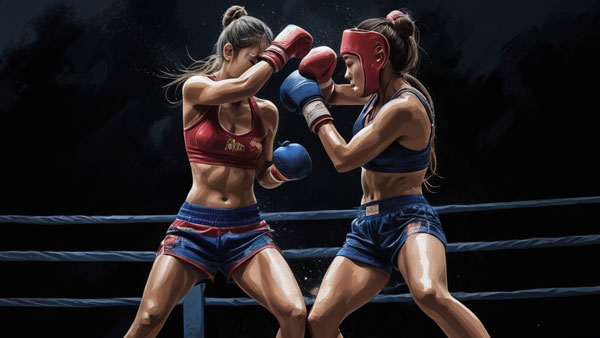
The clinch in Muay Thai is like a chess match played at extremely close quarters, with the added excitement of potential knees to the ribs. It's a position where both fighters are locked together, usually with their arms around each other's necks or bodies. But don't be fooled – this isn't a loving embrace. It's a battle for control, position, and the opportunity to land devastating strikes.
In Thai, the clinch is called "plum," which sounds delicious but is anything but sweet for the person on the receiving end. Mastering the clinch is having a secret weapon in your Muay Thai arsenal. It's the great equalizer – a place where technique can triumph over raw power.
The Art of Control
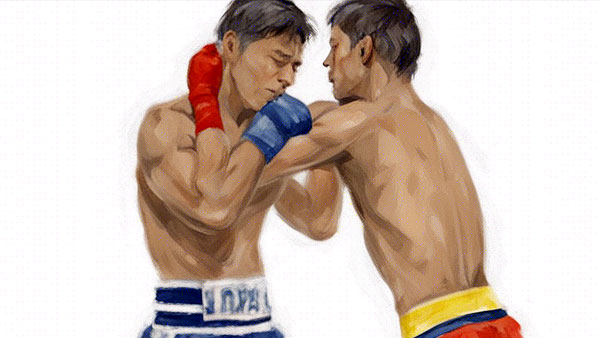
The key to dominating the clinch? Control, control, control. It's all about manipulating your opponent's posture and balance while maintaining your own. You want to keep your opponent off-balance and vulnerable while setting yourself up for strikes or throws.
One of the most common clinch positions is the "double collar tie." This is where you have both hands behind your opponent's head, controlling their movement. From here, you can pull their head down into knee strikes, off-balance them for a sweep, or transition to other clinch positions. It's like having a steering wheel for your opponent's body!
But here's the catch – your opponent is trying to do the same to you. So it becomes this intense back-and-forth struggle, each fighter struggling for superior position. A very aggressive dance, with sweat and occasional elbow to the face.
Striking from the Clinch
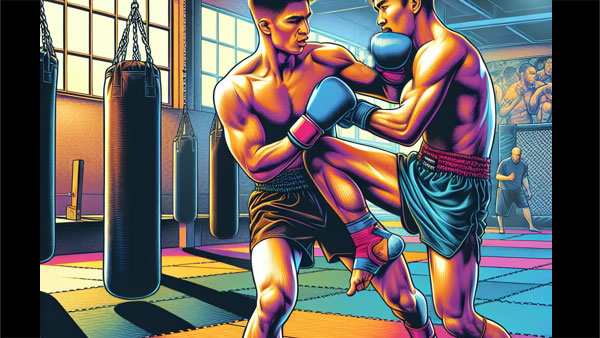
Now, here's where things get really interesting. The clinch isn't just about control – it's a position from which you can launch devastating attacks. And in Muay Thai, that usually means one thing: knees. Lots and lots of knees.
Knee strikes from the clinch are a staple of Muay Thai. They're powerful, hard to defend against, and can quickly turn the tide of a fight. The beauty of clinch knees is that you can generate a ton of power in a very short distance.
But it's not just knees. Skilled clinch fighters can also land elbows, short punches, and even kicks if they create enough space. It's a close-range buffet of pain, and you're the chef!
Throws and Sweeps
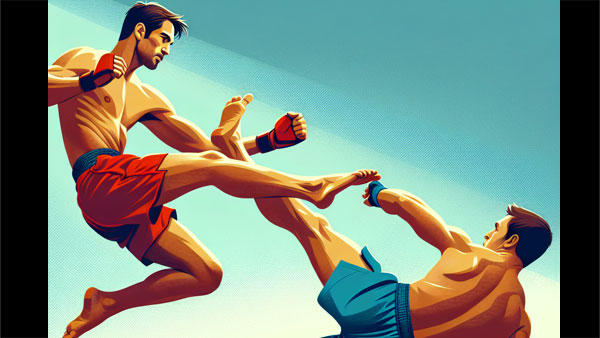
Just when you thought you had the clinch figured out, here's another wrinkle – throws and sweeps. In Muay Thai, the goal isn't just to strike from the clinch, but also to use it to off-balance and throw your opponent.
A well-executed sweep or throw from the clinch is a thing of beauty. It's physics in action, only with more grunting. Plus, in Muay Thai scoring, a successful throw can score big points. Like extra credit for style!
Defending in the Clinch
Of course, for every action, there's an equal and opposite reaction. While one fighter is trying to control and strike, the other is working just as hard to defend and counter.
Defending in the clinch is all about posture and position. You want to keep your chin tucked, your elbows in, and your base strong.
One of the key defensive techniques in the clinch is the "swim move." This is where you use your arms to break your opponent's grip, imagine swimming through their arms. It's a crucial skill for avoiding those nasty knees and setting up your own attacks.
Training for the Clinch
Now, I won't sugarcoat it – training for the clinch can be tough. It's physically demanding, often uncomfortable, and requires a lot of close contact with your training partners. But trust me, the payoff is worth it.
Clinch training often involves drills where you and a partner take turns trying to control each other. It's like a very sweaty, exhausting game of tag. You'll also spend a lot of time working on your knee strikes, both on pads and with a partner.
One of the best ways to improve your clinch game? Good old-fashioned neck strengthening exercises. A strong neck is crucial for maintaining posture in the clinch. So don't be surprised if your Muay Thai training includes some exercises that make you look like you're auditioning for a heavy metal band!
The clinch in all its sweaty, knee-striking glory. Master this aspect of Muay Thai, and you'll have a powerful tool in your fighting arsenal. Plus, you'll never look at a hug the same way again!
Related posts
-
Understanding the Eight Limbs: A Guide to Muay Thai Techniques (part 1)
Imagine transforming your body into a living, breathing weapon, where every limb becomes a potential strike point....Read more
-
Understanding the Eight Limbs: A Guide to Muay Thai Techniques (part 2)
Let's start with something familiar – good old-fashioned punching. But don't be fooled, Muay Thai punches are a whole...Read more
-
Understanding the Eight Limbs: A Guide to Muay Thai Techniques (part 4)
It's time to talk about the not-so-glamorous but absolutely crucial part of the journey – training and conditioning....Read more
-
The Role of Mental Toughness in Muay Thai Training and Competition (part 1)
We've got the million-dollar questions: "Why do some fighters seem unshakeable under pressure?" and "How do certain...Read more
-
The Role of Mental Toughness in Muay Thai Training and Competition (part 2)
Picture this: You're a Muay Thai fighter, and your pre-fight jitters are doing the cha-cha in your stomach. It's time...Read more
-
Confronting Challenges: Your Path to Amazing Growth
Building on mental strength leads to something powerful. You develop the ability to face challenges head-on. This...Read more
-
Discipline: Rituals, Habits, and Consistency
Training builds more than fighting skills. It shapes your character. The small efforts you repeat become steady...Read more
-
Recovering from Setbacks and Growing Stronger
Discipline teaches you to show up. But what happens when things go wrong? Setbacks aren't dead ends. They're chances...Read more
Leave a comment