 SAVE FROM 20 to 35%

FREE DELIVERY
for orders over 31 £
 MONEY BACK GUARANTEE
Currency:









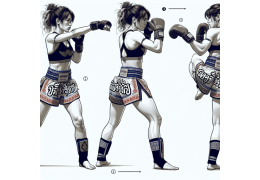

Understanding the Eight Limbs: A Guide to Muay Thai Techniques (part 4)
Training and Conditioning for Muay Thai
It's time to talk about the not-so-glamorous but absolutely crucial part of the journey – training and conditioning. A world of sweat, determination, and the occasional bout of muscle soreness that'll make you question all your life choices. But trust me, it's all worth it!
The Importance of Proper Training
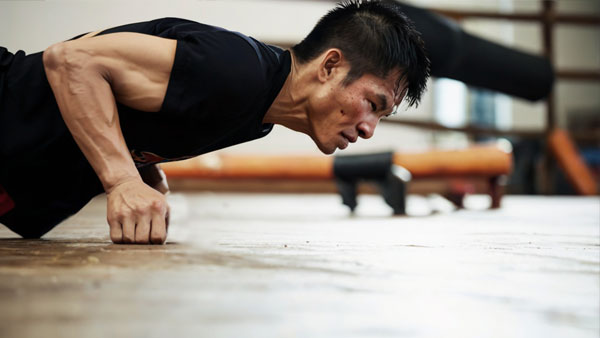
First things first – let's talk about why training is so darn important in Muay Thai. This isn't just about looking good in those Muay Thai shorts (although that's a nice bonus). Proper training is what transforms you from a flailing octopus into a lean, mean, fighting machine.
In Muay Thai, your body is your weapon. And just like any weapon, it needs to be honed, sharpened, and maintained. Good training doesn't just make you stronger and faster – it also helps prevent injuries, improves your technique, and builds the mental toughness you'll need in the ring.
The Muay Thai Training Routine
So, what does a typical Muay Thai training routine look like?
Most Muay Thai training sessions start with a warm-up. Not your average touch-your-toes-and-you're-done kind of warm-up. No, jump rope, jogging, dynamic stretching – basically, anything to get your blood pumping and your muscles ready for action.
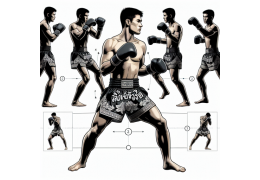
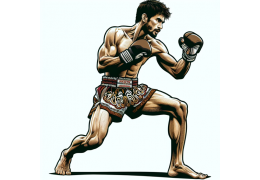
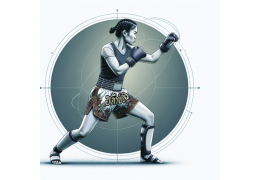
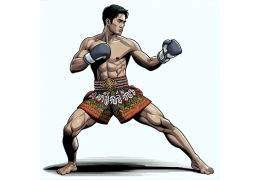
Next up, you've got your technique drills. This is where you'll practice those punches, kicks, knees, and elbows we talked about earlier. It's learning a bit complicated, sweaty dance routine. You'll hit pads, work the heavy bag, and drill techniques with a partner until they become second nature.
Then there's sparring – the closest thing to actual fighting you'll experience in training. This is where you put all those techniques into practice against a live, moving opponent. It's exciting, challenging, and occasionally terrifying – but there's no better way to improve your skills.
Strength and Conditioning
But wait, there's more! Muay Thai isn't just about technique – it's also about raw physical power and endurance. That's where strength and conditioning come in.
A good Muay Thai strength and conditioning program will typically include exercises like:
· Squats and lunges for leg strength (your kicks will thank you)
· Push-ups and pull-ups for upper body power
· Core exercises to build that rock-solid midsection
· Plyometrics for explosive power
· Running or other cardio for endurance
And let's not forget about those neck exercises we mentioned earlier. A strong neck is crucial in Muay Thai, both for the clinch and for absorbing strikes. So don't be surprised if you find yourself doing some exercises that make you look like a confused turtle!
The Mental Game
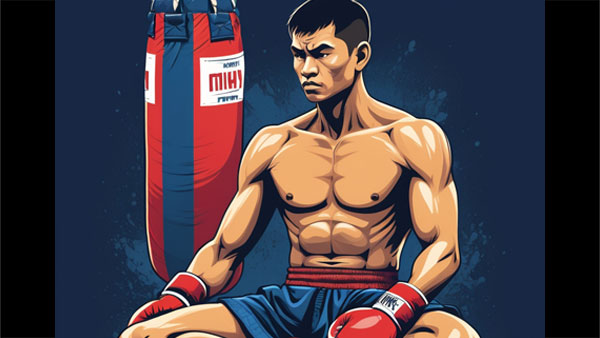
Now, here's something that often gets overlooked – mental training. Muay Thai isn't just a physical sport – it's a mental one too. In addition to the physical demands, Muay Thai fighters require a strong mental game to succeed. Focus, discipline, and mental toughness are essential qualities that must be cultivated. To enhance their mental strength, fighters can engage in various practices such as meditation and visualization exercises. These techniques allow them to imagine themselves executing perfect techniques, staying calm under pressure, and emerging victorious from tough fights. By visualizing success and rehearsing these scenarios in their minds, fighters can better prepare themselves mentally for the challenges they will face in the ring. Mental training is a crucial aspect of becoming a successful Muay Thai fighter.
Through mental training, fighters learn to control their thoughts and emotions, which is crucial in a sport as intense as Muay Thai. They learn to stay focused on their goals and maintain discipline even in the face of adversity. Mental toughness becomes their armor, enabling them to push through physical exhaustion and keep fighting until the end.
In conclusion, mental training is an integral part of the journey to becoming a successful Muay Thai fighter. It complements physical training and equips fighters with the mental fortitude needed to overcome challenges and emerge victorious in the ring.
Recovery and Rest
Let's talk about recovery. Rest is just as important as the training itself.
Proper recovery includes things like:
· Getting enough sleep (your muscles grow when you're resting, not when you're training)
· Proper nutrition (you can't build a championship body on junk food)
· Stretching and mobility work (unless you want to end up moving like a rusty robot)
· Active recovery days (light exercise to keep the blood flowing without overexerting yourself)
Remember, the goal is to train smarter, not just harder. Pushing yourself to the brink of exhaustion every single day isn't just unsustainable – it's counterproductive. Your body needs time to recover and adapt to the training stimulus.
Remember, every champion started as a beginner. The only difference? They never gave up.
**************************************************************
Muay Thai Equipment: Essential Gear for Training and Competition
Alright, everyone's favorite topic – equipment! Now, I know what you're thinking. "Equipment? The right gear can be the difference between a great training session and a trip to the emergency room.
Gloves: Your New Best Friends
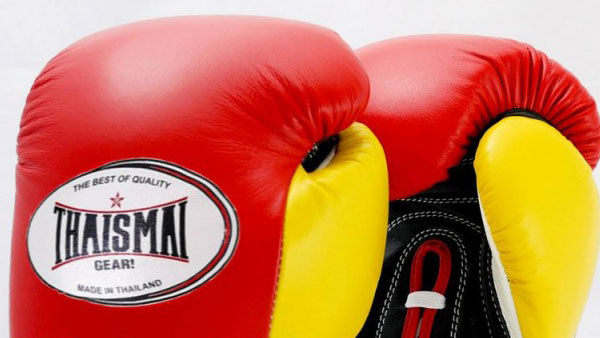
First up, we've got the stars of the show – Muay Thai gloves. These aren't your grandpa's boxing gloves. Muay Thai gloves are specially designed for the unique demands of the sport. They're typically more flexible than boxing gloves, allowing for easier clinching and palm strikes.
When choosing gloves, size matters. For training, you'll want heavier gloves (usually 14-16 oz) to provide more protection for both you and your training partners. For competition, lighter gloves (8-10 oz) are typically used. And remember, your gloves should fit snugly but not cut off circulation. You want to knock out your opponent, not your own hands!
Hand Wraps: The Unsung Heroes

Now, let's talk about something that doesn't get enough love – hand wraps. These unassuming strips of fabric are crucial for protecting your hands and wrists. Think of them as the foundation of your hand protection – the gloves are just the fancy outer layer.
Wrapping your hands correctly is an art form in itself. Similar to origami, only with more purpose and less paper cranes. A good hand wrap should support your wrist, knuckles, and the small bones in your hand. And trust me, once you experience the difference a good hand wrap makes, you'll never want to train without them again.
Shin Guards: Because Shin-on-Shin Action Hurts
Next up, we've got shin guards. "Shin guards? Aren't those for soccer players?" Well, try checking a few kicks without them. Your shins will thank you for the protection.
Muay Thai shin guards come in various styles, from slip-on to wrap-around. The key is to find a pair that offers good protection without restricting your movement. And remember, your shin guards should cover both your shin and your instep. Because there's nothing fun about a foot that looks like it got sledgehammered.
Muay Thai Shorts: Fashion Meets Function
Ah, Muay Thai shorts – the most colorful and possibly the most controversial piece of Muay Thai equipment. These aren't your average gym shorts. They're shorter, wider, and often adorned with intricate designs and bright colors. It's wearing a piece of art, only this art can kick you in the face.
The wide leg openings of Muay Thai shorts aren't just for show – they allow for unrestricted movement when kicking and kneeing. And the high cut helps prevent the shorts from restricting hip rotation. Plus, let's be honest – they also look cool. Nothing says more that "I'm here to fight" than a pair of bright, flashy Muay Thai shorts.
Mouthguard: Because Teeth are Nice to Have

Next on our list is the mouthguard. Now, I know it's not the most glamorous piece of equipment, but you'll be glad you have it when that roundhouse kick comes flying at your face.
A good mouthguard should fit snugly and comfortably. And please, for the love of all that is holy, don't use those cheap, boil-and-bite mouthguards from the drugstore. Invest in a properly fitted mouthguard. Your dentist (and your wallet) will thank you later.
Groin Protection: No Explanation Needed
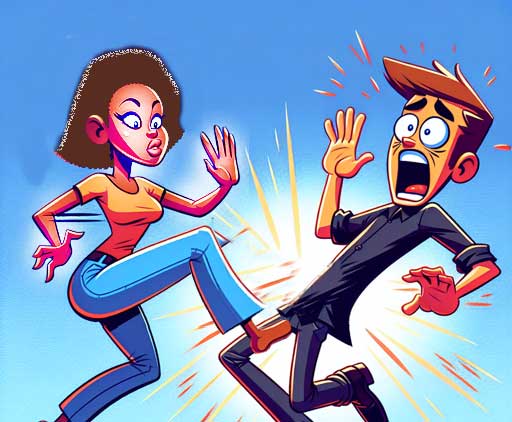
Let's talk about something that nobody likes to talk about, but everybody needs – groin protection. Yes, it's awkward. And sometimes uncomfortable. But you know what's more uncomfortable? Taking a knee to the family jewels without protection.
For men, a good cup is essential. For women, a pelvic protector can provide peace of mind. Remember, in Muay Thai, strikes below the belt are illegal, but accidents happen. Better safe than sorry!
Ankle Supports: For Those Who Like Their Ankles Intact
Ankle supports. These aren't always necessary, but they can be a godsend if you have weak or injury-prone ankles. They provide extra support and stability, especially when you're pivoting and turning for kicks.
Some fighters swear by ankle supports, while others prefer to go without. It's a personal choice, but if you find yourself with sore or wobbly ankles after training, it might be worth giving them a try.
The Extras: Nice-to-Haves
Now, if you really want to go all out, there are a few extra pieces of equipment you might consider:
· Thai pads and focus mitts for partner drills
· A heavy bag for solo training (and stress relief)
· Jump rope for conditioning (because skipping isn't just for schoolyards)
· Resistance bands for strength training
Remember, you don't need to buy everything at once. Start with the essentials (gloves, hand wraps, shin guards, shorts, mouthguard) and build your collection over time.
The best gear in the world won't make you a champion. But it will keep you safe, comfortable, and looking good while you put in the hard work.
Related posts
-
Understanding the Eight Limbs: A Guide to Muay Thai Techniques (part 1)
Imagine transforming your body into a living, breathing weapon, where every limb becomes a potential strike point....Read more
-
Understanding the Eight Limbs: A Guide to Muay Thai Techniques (part 2)
Let's start with something familiar – good old-fashioned punching. But don't be fooled, Muay Thai punches are a whole...Read more
-
Understanding the Eight Limbs: A Guide to Muay Thai Techniques (part 3)
The clinch in Muay Thai is like a chess match played at extremely close quarters, with the added excitement of...Read more
-
The Role of Mental Toughness in Muay Thai Training and Competition (part 1)
We've got the million-dollar questions: "Why do some fighters seem unshakeable under pressure?" and "How do certain...Read more
-
The Role of Mental Toughness in Muay Thai Training and Competition (part 2)
Picture this: You're a Muay Thai fighter, and your pre-fight jitters are doing the cha-cha in your stomach. It's time...Read more
-
Confronting Challenges: Your Path to Amazing Growth
Building on mental strength leads to something powerful. You develop the ability to face challenges head-on. This...Read more
-
Discipline: Rituals, Habits, and Consistency
Training builds more than fighting skills. It shapes your character. The small efforts you repeat become steady...Read more
-
Recovering from Setbacks and Growing Stronger
Discipline teaches you to show up. But what happens when things go wrong? Setbacks aren't dead ends. They're chances...Read more
Leave a comment